
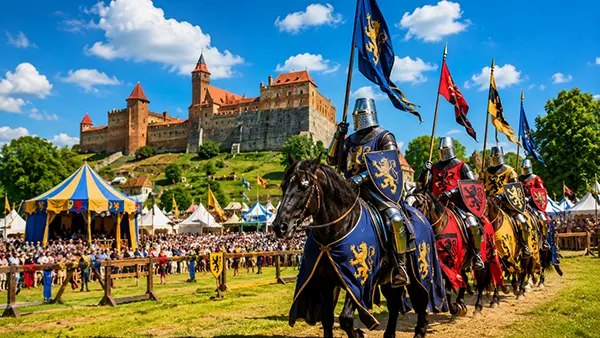
Historical Reconstructions and Knight Festivals in Poland 2026: A Traveller’s Calendar
Poland remains one of Europe’s leading destinations for historical reenactments and medieval festivals. Throughout 2026, castles, old towns and open-air museums across the country will host events that recreate battles, tournaments, crafts and daily life from different periods of Polish history. For travellers interested in culture rather than traditional sightseeing alone, these festivals offer a practical way to experience local traditions, regional cuisine and living history. Planning a journey around the major events can turn a standard holiday into a memorable cultural itinerary.
Major Historical Reenactment Events Scheduled for 2026
The most recognised event on the Polish historical calendar remains the Battle of Grunwald reenactment, traditionally held in July near Grunwald in the Warmian-Masurian Voivodeship. Thousands of participants from Poland and other European countries recreate the famous 1410 battle between the Polish-Lithuanian alliance and the Teutonic Order. The event usually includes military camps, educational exhibitions, medieval markets and demonstrations of period crafts.
Another important destination is Malbork Castle, one of the largest brick castles in the world and a UNESCO World Heritage Site. During the summer season, the castle regularly hosts historical performances, knightly demonstrations and themed evenings. Visitors can observe medieval military equipment, watch staged battles and learn about the history of the Teutonic Knights.
The city of Gniew in northern Poland is also expected to continue its tradition of large-scale historical spectacles in 2026. Events held around Gniew Castle often combine reenactments from various centuries with cultural programmes, concerts and educational activities aimed at both adults and children.
What Travellers Can Expect at These Events
Most major reenactment festivals feature authentic costumes, historical encampments and demonstrations prepared by dedicated historical groups. Participants often spend months researching clothing, weapons and customs to ensure that presentations reflect available historical evidence as accurately as possible.
Visitors are usually able to interact directly with reenactors. This creates opportunities to ask questions about armour construction, military tactics, medieval crafts and everyday life. Such conversations often provide insights that cannot be gained from museum displays alone.
In addition to battle scenes, many festivals include markets where artisans sell handcrafted products inspired by historical techniques. Blacksmithing, leatherworking, pottery and weaving demonstrations help create a broader understanding of how communities functioned centuries ago.
Best Regions in Poland for Knight Festivals
Northern Poland remains the strongest region for medieval tourism. The historical connections with the Teutonic Order have resulted in numerous castles and fortified settlements that regularly host knightly events. Areas around Malbork, Gniew and Kwidzyn are particularly active during the warmer months.
Lower Silesia also attracts history enthusiasts due to its concentration of castles and fortified residences. Towns such as Bolków have gained recognition for organising historical gatherings that combine medieval themes with cultural programmes and local heritage presentations.
In southern Poland, the regions around Kraków and Nowy Sącz frequently organise smaller-scale reenactments linked to royal traditions and local historical anniversaries. These events often provide a more intimate atmosphere while still offering high educational value.
How to Plan a Festival-Focused Journey
Travellers intending to visit multiple events should monitor official organisers’ announcements during the first half of 2026. Exact dates, programme details and ticket information are often confirmed several months before each festival begins.
Accommodation can become limited near major venues, particularly around Grunwald and Malbork. Booking hotels or guesthouses well in advance is advisable, especially for visitors planning to attend weekend programmes when attendance is typically highest.
Many historical festivals are located near important cultural landmarks. Combining a festival visit with castle tours, regional museums and local cuisine experiences allows travellers to gain a more complete understanding of the area’s history and traditions.
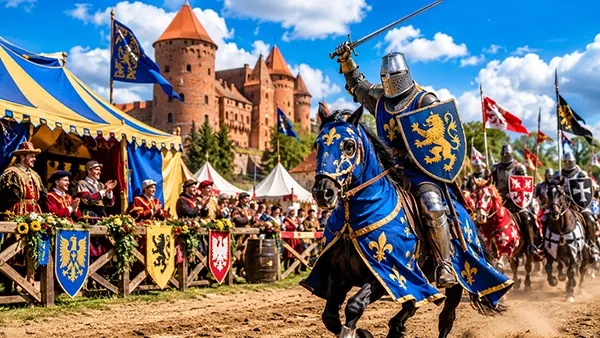
Why Historical Festivals Continue to Grow in Popularity
Interest in living history has increased across Europe during the past decade, and Poland has become one of the continent’s most active centres for historical reenactment. The combination of well-preserved heritage sites and strong community involvement has contributed significantly to this growth.
Educational value is another factor behind the popularity of these events. Schools, universities and cultural institutions often cooperate with organisers, helping transform festivals into opportunities for public learning rather than simple entertainment.
International participation has also expanded. Reenactment groups from Germany, the Czech Republic, Lithuania, Hungary and other countries frequently join Polish events, creating a broader European perspective on historical traditions and military history.
Practical Advice for Visitors in 2026
Comfortable footwear is essential, as many festivals take place on large outdoor grounds where visitors spend several hours walking between camps, markets and performance areas. Weather conditions can also change quickly during the summer season.
Travellers interested in photography should arrive early in the day. Morning hours often provide better opportunities to photograph participants, historical equipment and reconstructed camps before the largest crowds gather.
For those seeking a deeper cultural experience, attending lectures, workshops and museum exhibitions connected with festival programmes can be just as rewarding as watching the main battle reenactments. These activities often provide historical context that helps visitors appreciate the events more fully and understand their significance within Polish heritage.
Popular articles
-
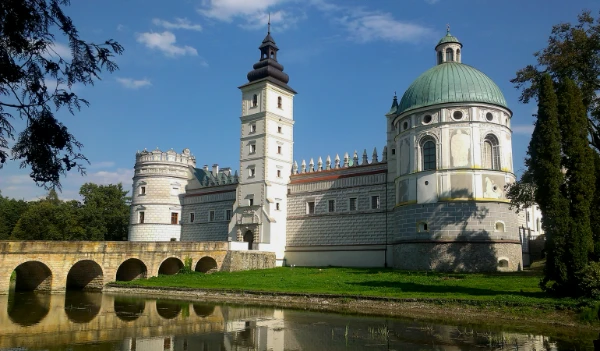 Krasiczyn Castle: Four Towers, Sgraffito and the History of One of Pol...
Krasiczyn Castle stands in south-eastern Poland, in the village of …
-
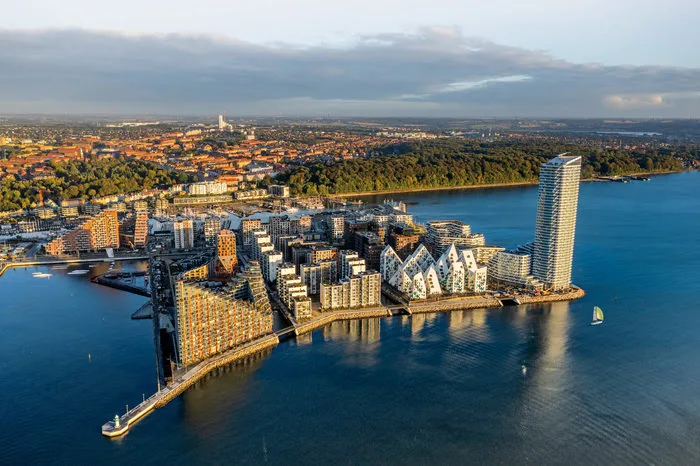 Discovering the Sights of Aarhus: A Blend of History, Culture, and Nature
Aarhus, Denmark’s vibrant second city, offers a charming mix of …
-
 What is the difference between online and offline casinos?
For a long time, gambling enthusiasts have been playing online, …