
Moszna Castle: A Fairytale Landmark of Lower Silesia
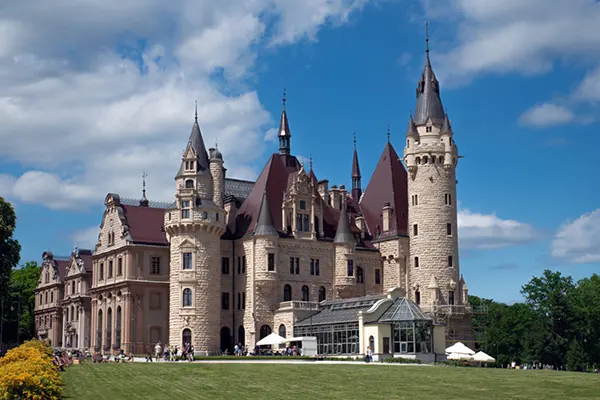
Moszna Castle stands as one of the most recognisable historical residences in Poland, drawing attention with its elaborate architecture, extensive history, and vast landscaped grounds. Situated in the Opole Voivodeship, this monumental estate is frequently associated with Lower Silesian architectural traditions due to its stylistic blend and cultural ties. As of 2025, it remains an active heritage attraction known for its preserved interiors, seasonal exhibitions, and an atmosphere shaped by centuries of noble ownership and regional development.
Architectural Identity and Historical Background
The structure is most famous for its ninety-nine towers, each designed in a distinct form that collectively creates its fairytale appearance. The combination of Baroque, Neo-Gothic, and Neo-Renaissance elements resulted from multiple construction phases overseen by different owners across the 18th, 19th, and early 20th centuries. The castle’s core dates back to the mid-1700s, while the wings and decorative façades were added after fires, reconstruction periods, and political shifts that influenced the estate’s development.
For many years, the property belonged to the Tiele-Winckler family, industrial magnates whose investments shaped the castle’s present-day structure. Their contributions included extensive interior decoration, the expansion of ceremonial rooms, and the introduction of landscaped park areas intended for formal gatherings. The castle’s historical narrative also includes periods of military control, hospital use, and partial restoration during the post-war era.
Today, Moszna Castle functions as a cultural institution, hosting art exhibitions, classical music concerts, historical presentations, and seasonal events focused on regional traditions. Public interest in the building continues to grow due to renewed conservation efforts and international media coverage highlighting its architectural uniqueness and historical value.
Interior Layout and Cultural Heritage
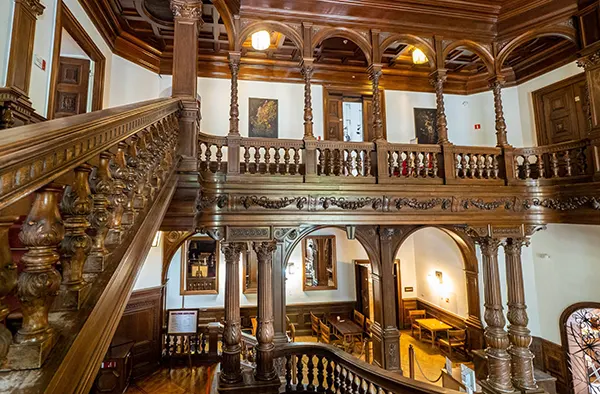
The interior is structured around grand staircases, hallways, and chambers reflecting the aesthetic preferences of the noble families who lived there. Many rooms were designed to serve ceremonial purposes, including receptions, gatherings, and formal events associated with aristocratic life. While some furnishings were lost in various periods of transition, surviving décor maintains the building’s distinctive atmosphere.
Visitors can explore themed rooms that reflect 19th- and early-20th-century cultural influences, such as wood-panelled halls, ornamental ceilings, and preserved architectural details. Several areas were restored using archival documentation to recreate authentic stylistic features that align with historical accuracy. This approach highlights the heritage-focused preservation strategy maintained in recent years.
The castle houses rotating exhibitions dedicated to regional history, European art, and cultural research accessible through guided tours. These programs are curated by specialists and historians who ensure that the showcased materials provide context and documented information. Seasonal events, including educational workshops and public lectures, support the site’s role as a centre of cultural engagement.
The Castle Grounds and Surrounding Park
The surrounding estate covers an expansive park featuring ancient trees, ornamental shrubs, and long walking paths that were designed to complement the visual impact of the castle façade. The grounds were historically used for recreation and social gatherings, reflecting the broader landscape design traditions of the period. As of 2025, the park continues to be maintained as a protected green area integrated into the visitor experience.
A prominent feature of the grounds is the large pond positioned directly in front of the main façade. The water surface reflects the castle’s exterior, enhancing its characteristic appearance in photographs and historical illustrations. The area around the pond is frequently used for seasonal events, cultural presentations, and open-air programming.
The estate also includes sections of natural woodland that support local biodiversity. Conservation initiatives introduced in recent years aim to protect both rare plant species and the ecological balance of the region. These efforts are supported by partnerships with environmental organisations that provide guidance on sustainable management of the historic landscape.
Accessibility and Visitor Experience
Moszna Castle is open to the public throughout the year, with expanded access during spring and summer months when the park is most active. Guided tours are available in several languages, offering insights into the building’s historical development, architectural details, and cultural significance. Ticket options vary depending on seasonal programs and the specific areas included in each tour.
The estate offers accommodations within selected historic rooms, allowing guests to stay overnight in parts of the castle’s residential wings. These rooms retain architectural features consistent with the historical style of the building, while incorporating updated amenities suitable for contemporary use. This arrangement supports the estate’s long-term preservation by generating funding for restoration work.
Facilities around the castle include cafés, event spaces, and dedicated zones for educational groups. Visitor infrastructure has been improved in recent years to ensure accessibility for individuals with mobility needs. Regular maintenance and restoration allow both the building and its grounds to remain in stable condition while accommodating steady visitor numbers.
Modern Role in Regional Tourism
By 2025, Moszna Castle has become a consistent reference point in regional tourism strategies, emphasising its architectural value and long-standing cultural heritage. Local authorities collaborate with heritage organisations to ensure that information presented to visitors reflects accurate historical research and responsible preservation practices. Marketing efforts focus on documented facts and verified historical context.
The castle frequently hosts conferences, art festivals, film events, and academic meetings that attract specialists from various fields. These gatherings rely on the estate’s spacious halls and atmospheric surroundings, making the site suitable for professional and educational events. Organisers work closely with the institution’s curators to ensure that activities align with heritage protection standards.
Ongoing restoration projects continue to address structural needs, façade preservation, and conservation of the park’s ecological system. Funding is sourced from regional grants, cultural programmes, and international partnerships that prioritise protection of historic monuments. This long-term approach positions Moszna Castle as an enduring landmark contributing to the cultural identity of Lower Silesia and the wider region.
Educational Initiatives and Research
The castle collaborates with universities, heritage organisations, and cultural institutes to support scholarly research. These partnerships involve archival studies, architectural analysis, and documentation of historical artefacts. Researchers are granted access to selected materials that assist in reconstructing the estate’s complex past and understanding its role within regional history.
Educational activities include workshops for students, guided tours for academic groups, and public lectures offering insight into architecture, conservation, and history. These programs aim to provide practical knowledge and encourage interest in cultural preservation among younger audiences. Participation rates have grown steadily due to improved communication platforms and structured educational formats.
Published studies and cultural reports contribute to a broader understanding of the castle’s heritage. The estate’s multidisciplinary approach ensures that each project combines historical accuracy with responsible curation. As a result, Moszna Castle serves as both a tourist attraction and a respected educational resource within the region.
Popular articles
-
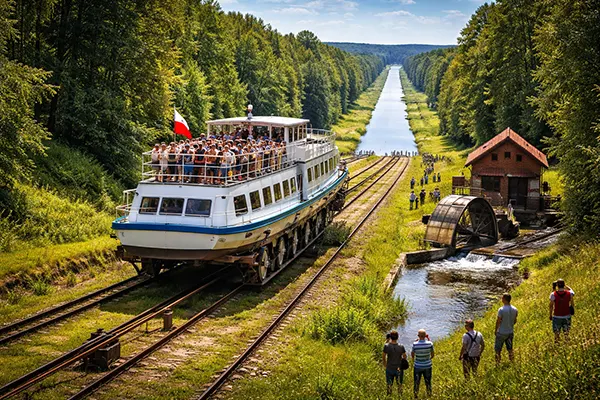 Elbląg Canal: How to See Boats Travelling Over Land in Poland
The Elbląg Canal remains one of the most unusual engineering …
-
 Przemyśl Fortress — One of the Largest Defensive Complexes in Europe
Przemyśl Fortress in south-eastern Poland remains one of the most …
-
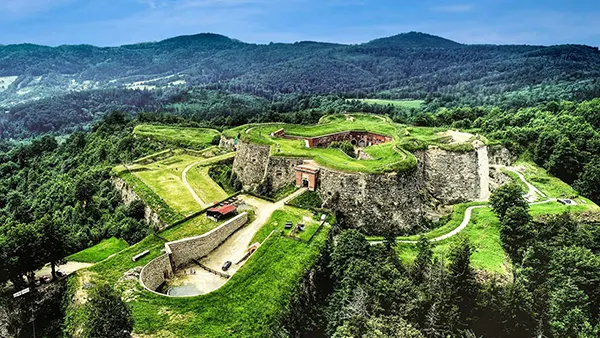 Silver Mountain Fortress (Srebrna Góra): The Largest Mountain Fortress...
Rising above the Owl Mountains in Lower Silesia, Silver Mountain …